
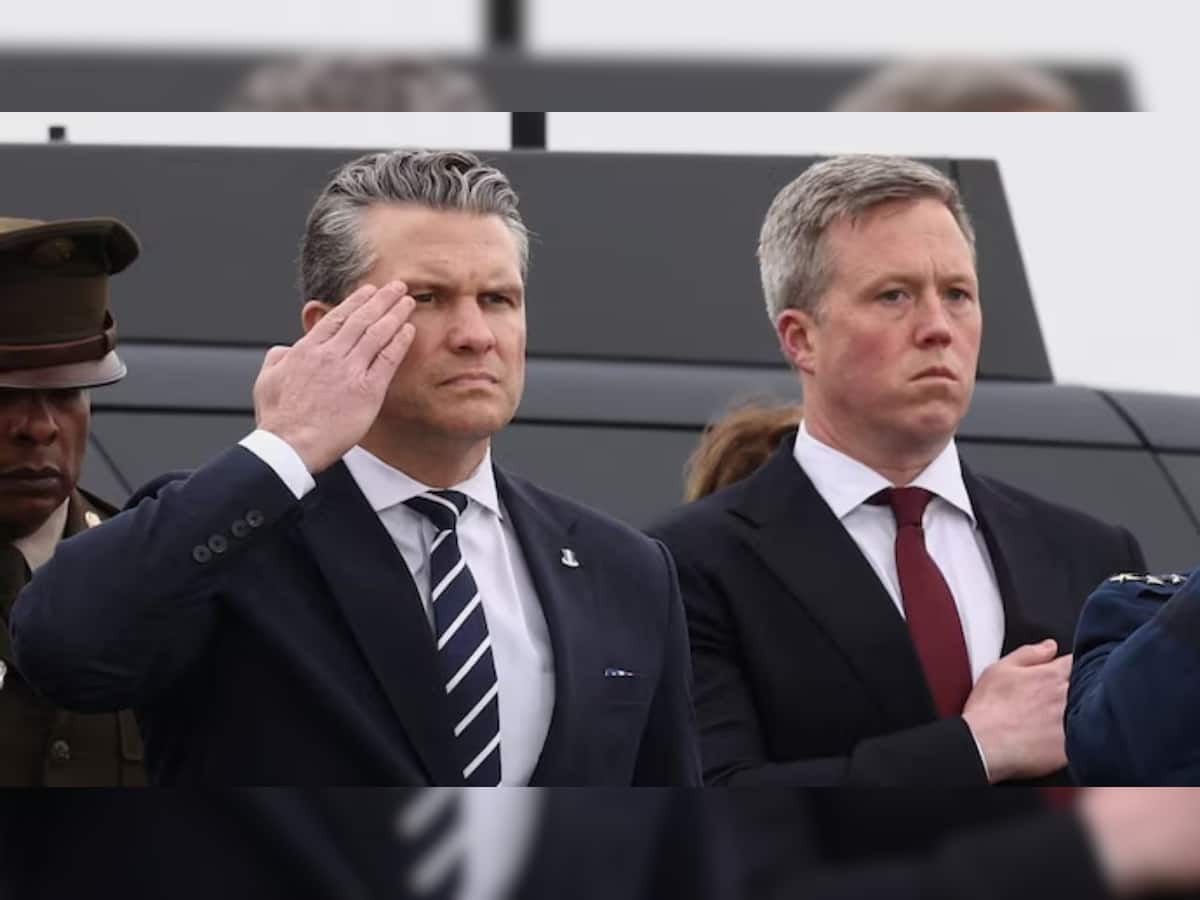
U.S. media outlets are reporting a major leadership shift at the highest levels of the United States military infrastructure. Daniel Driscoll, the Secretary of the Army, has officially tendered his resignation to the White House after serving approximately 18 months in the critical civilian defense position, signaling escalating management tensions within the Department of Defense.
Kabul 24: Military Times, a defense-focused news publication, reported today (Tuesday, September 1, 2026) that the White House has formally accepted the resignation. According to official schedules, Driscoll is slated to step down from his post within two days, marking a abrupt end to his tenure leading the Department of the Army.
Reports indicate that Driscoll’s decision to resign comes after months of escalating friction and fundamental policy disagreements with U.S. Secretary of Defense Pete Hegseth. The core of the dispute centered on strategic decisions regarding the “future direction of the Army” as well as the controversial “dismissal of several senior military commanders.” The growing divide over personnel changes and structural priorities ultimately rendered Driscoll’s position untenable.
The departure of the Army Secretary highlights deepening leadership fissures within the leadership of the Pentagon. Defense analysts suggest that Driscoll’s resignation, stemming from his opposition to new Defense Department policies, could disrupt ongoing structural reforms, complicate upcoming high-level military appointments, and create further uncertainty around long-term land force strategy.