
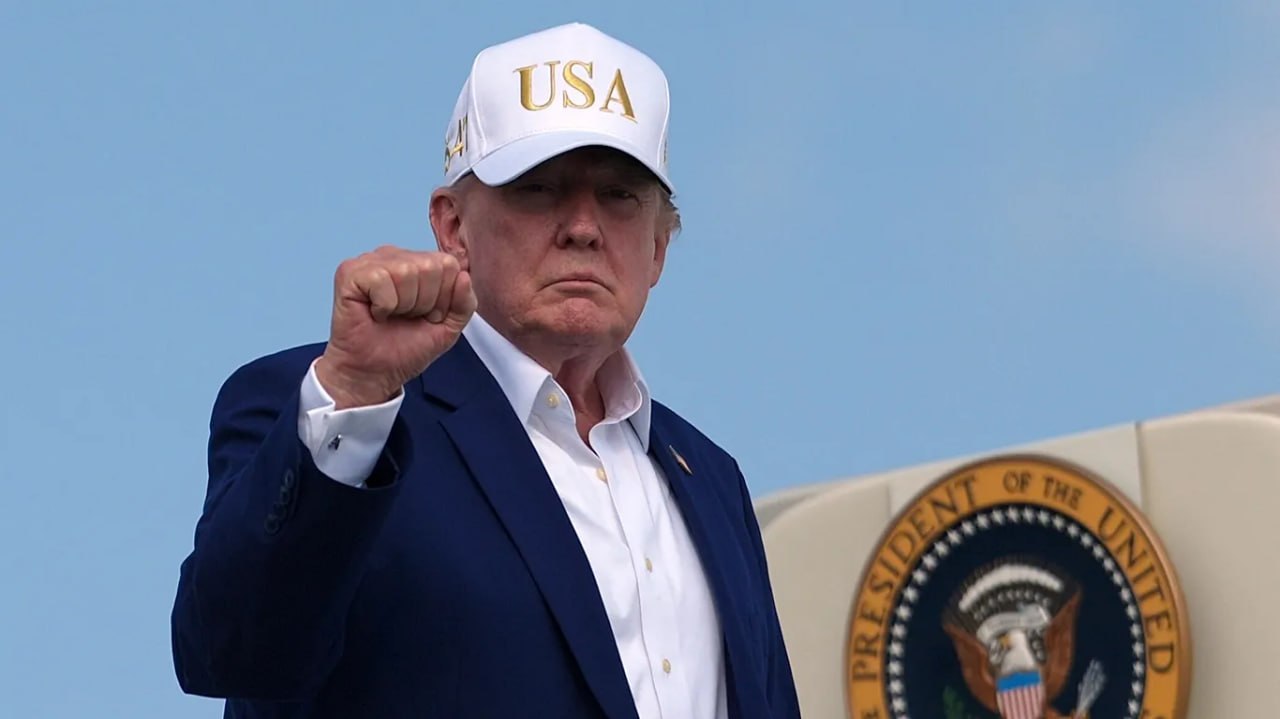
U.S. President Donald Trump announced that Washington will firmly pursue financial compensation from Iran during any future negotiations, addressing American citizens and service members killed or injured in Iranian-attributed actions over the years.
Kabul 24: Trump emphasized that obtaining damages for these casualties remains a non-negotiable priority for his administration in setting the ground rules for diplomatic engagement.
These sharp remarks come alongside diplomatic reports indicating that Tehran is raising identical counterpart claims. According to emerging reports, Iranian officials are demanding substantial reparations for extensive human, economic, and infrastructure damage inflicted by U.S. and Israeli military operations and strikes during this year’s conflicts.
This mutual insistence on financial indemnities introduces a complex legal and diplomatic hurdle into an already volatile deadlock.
While Washington focuses its arguments on historic casualties and state-sponsored proxy attacks, Iran points to direct foreign strikes and punitive economic measures as grounds for massive cross-border restitution.
Political analysts suggest that integrating heavy financial demands into the bilateral agenda drastically narrows the margin for a short-term breakthrough.
The emergence of these competing compensation claims indicates that future negotiations will extend far beyond traditional security and nuclear frameworks, forcing diplomats to navigate intricate financial and legal grievances that could stall diplomatic progress for the foreseeable future.