
With caution and pessimism born of past failed experiences, it must be said that today marks a rare historical moment in the Middle East.
Kabul 24: After two years and two days, the conflict between Hamas and Israel has officially ended—the longest war in Israel’s history and one of the most devastating battles of our era in terms of civilian casualties and the sheer scale of destruction in the Gaza Strip.
Asking who won or lost is as futile as predicting the durability and stability of the current ceasefire or peace plan.
Neither side achieved all its objectives. Netanyahu needed a grand symbolic victory: ships docked at Gaza’s shores, carrying white flags and Hamas fighters and leaders, ferrying them to distant destinations in the Horn of Africa or the southern coast of the Persian Gulf—much like the high-profile expulsion of Yasser Arafat and his fighters from Beirut’s port on August 21, 1982.
Thanks to Gaza’s tunnels and underground city, this did not happen, and Hamas fighters displayed remarkable resilience. With around 500 Israeli soldiers killed, Israeli society tasted the bitter reality of war more than ever before. But at what cost?
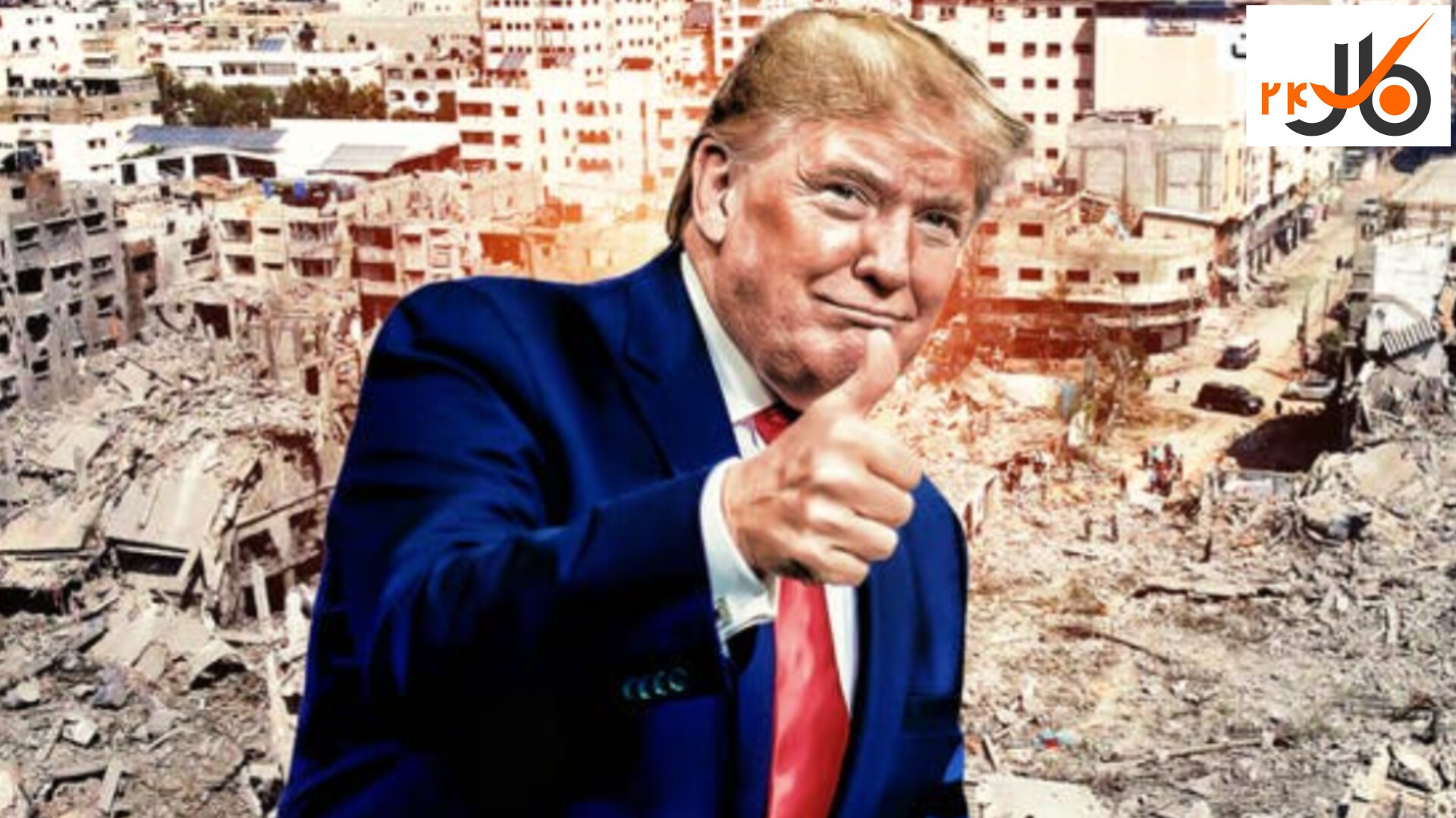
At the expense of 80% of Gaza’s structures being destroyed and over 200,000 of its residents killed or injured—a staggering figure equivalent to 10% of the strip’s population. The toll on women and children, relative to the population, is even higher.
Moreover, Hamas lost nearly all its leadership and key commanders, and its expectation of a short, small-scale war proved baseless.
Hamas never imagined that, despite holding 250 hostages—the largest number in Israel’s history—it would be drawn into a two-year war of attrition that quickly morphed into a targeted campaign of genocide.This strategic miscalculation came at the cost of reshaping the Middle East.
The failure of October 7 fundamentally transformed Israel’s security perception and strategic outlook, gradually expanding the war to Lebanon, Syria, Yemen, and Iran. This led to a change of government in Syria, the severe weakening of Hezbollah, and the partial collapse of Iran’s regional axis.Ultimately, what brought the parties to this point was the gradual erosion of two parallel factors: Hamas’s military capacity, which steadily diminished, and Israel’s political resilience, which reached its lowest point both domestically and internationally, making it nearly impossible for even its traditional allies to defend it.
The catalyst for today’s agreement was likely the failed attack on Qatar. In a state of strategic confusion and to break the deadlock, Netanyahu targeted Hamas’s leadership in Doha.
The result backfired. Trump, furious, forced Bibi to apologize to Qatar’s emir on camera. Shortly afterward, Qatar was de facto elevated to the status of a NATO member.
From that point, pressure on Israel intensified from the only party capable of exerting it, leading to today’s agreement.Despite initial optimism, prevailing pessimism about its future persists.
Certain clauses in Trump’s 20-point plan could become grounds for endless disputes and even the collapse of the current peace initiative. Disarming Hamas is one such issue.
It is hard to imagine a movement that still has thousands of armed fighters and likely retains its popular base agreeing to lay down its weapons.
How could something unachieved through war be secured through negotiation? On the other hand, a complete Israeli withdrawal is equally improbable. The recent Lebanon war suggests Israel will tie this clause to Hamas’s total disarmament.
Hamas, in all likelihood, will condition it on the establishment of an independent Palestinian state, to which Trump’s plan is broadly committed.Furthermore, with the hostage leverage removed from Hamas’s hands, Israel retains the ability to exert military pressure. This is Hamas’s primary concern, expressed today by its spokesperson, who humbly urged mediators to pressure Israel to honor its commitments.
Despite these ambiguities and Hamas’s agreement to only parts of Trump’s plan, what prompted Trump to embrace it was Hamas’s acceptance of releasing all hostages within the first three days of the agreement. This is the most significant concession Hamas has made to date.
We must wait with a mix of caution and hope for the days and weeks ahead to see what kind of Gaza emerges from the rubble of Trump’s plan and two years of war!
Salahuddin Khadiv