
The US Department of the Treasury and the Department of State announced new sanctions on Tuesday against 13 individuals and entities worldwide, accusing them of facilitating the procurement of military components, equipment, and conventional weaponry for Iran.
Kabul 24: Part of a broader initiative termed “Operation Economic Exclusion,” the Treasury blacklisted 10 individuals and companies located in China, Hong Kong, and Pakistan for aiding Iran’s military procurement networks. Concurrently, the State Department targeted three additional entities tied to Iran’s conventional arms capabilities.
Addressing the enforcement actions on X (formerly Twitter), US Treasury Secretary Scott Bessent stated that Washington will not tolerate any support for the Iranian regime and will persist in identifying, exposing, and isolating those who facilitate its military programs.
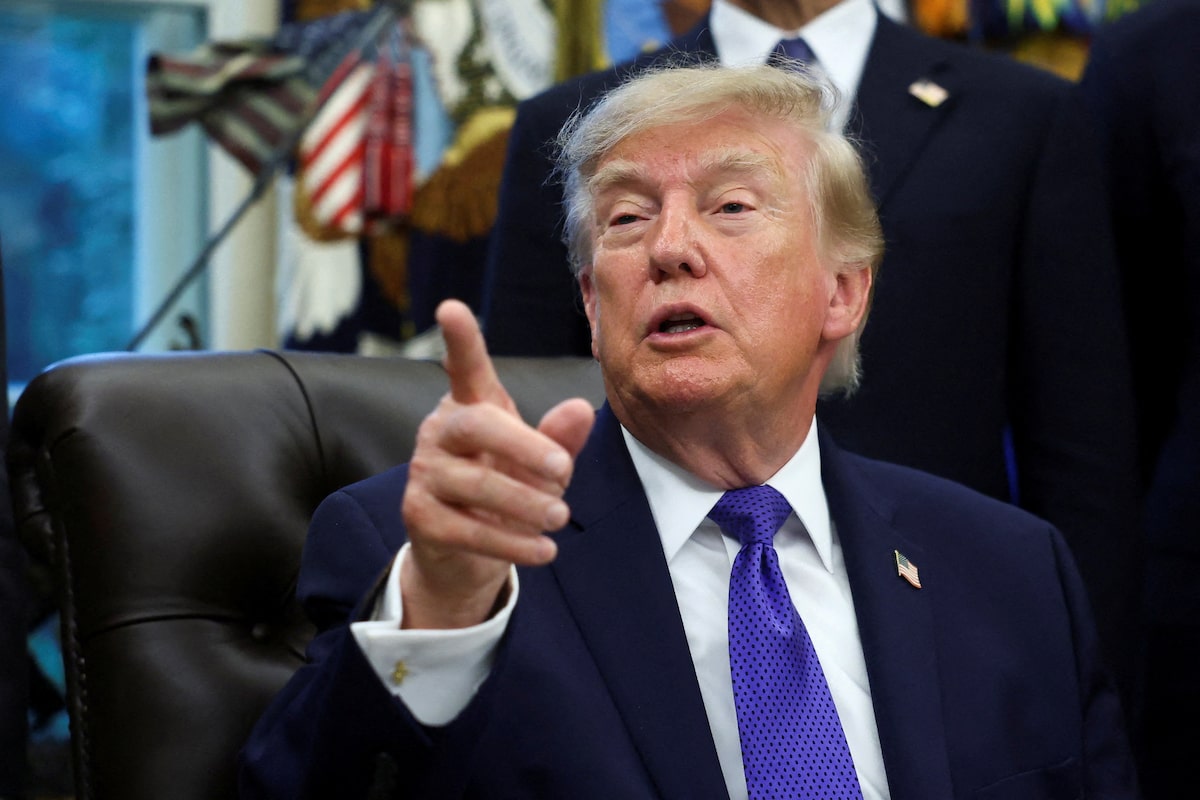
Following the sanctions announcement, US President Donald Trump commented on Iran’s economic and geopolitical standing, asserting that Tehran faces severe hardship. When asked by reporters whether he believes Iran is on the verge of capitulation, Trump remarked: “They’re in very bad shape. I don’t know if they’re going to surrender right now, but they will surrender eventually.”
President Trump also highlighted energy transit through the Strait of Hormuz, claiming that oil shipments through the critical waterway in recent days have surpassed levels seen prior to the conflict. He reiterated that the overarching objective of the military campaign remains preventing Iran from acquiring nuclear weapons.
Trump’s statements align with recent trade metrics from the maritime energy tracking firm Kpler, which indicate that Middle Eastern crude oil exports rebounded to over 16.3 million barrels per day in September. Reaching roughly 80% of pre-conflict levels preceding the joint US-Israeli military operations launched on February 28, this marks the highest export volume recorded in the region since the onset of hostilities.