

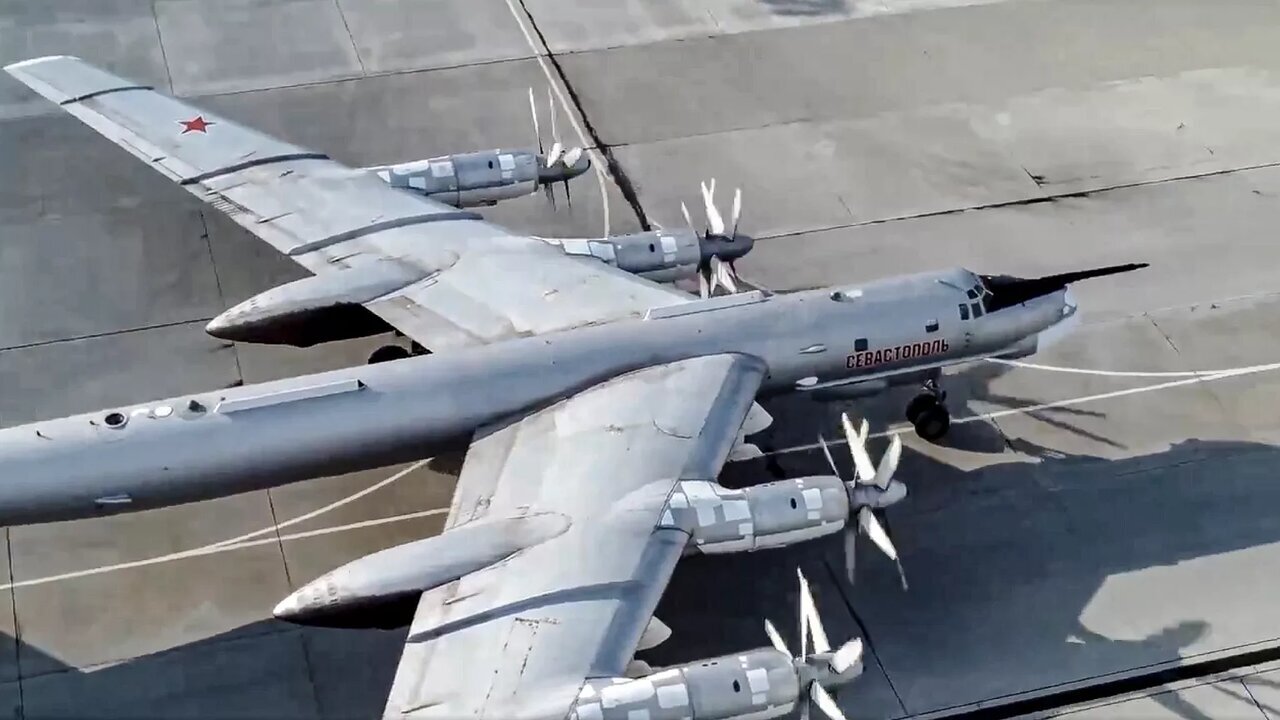
The crash of a Russian “Tu-95” strategic bomber in the Far East has once again drawn global attention to the far-reaching impact of Ukraine’s complex covert operation, codenamed “Spiderweb.” The military aircraft crashed on Tuesday, September 29, 2026, shortly after takeoff from the Ukrainka Air Base, coming down in an uninhabited area near the village of Krasnoyarovo in Amur Oblast. According to the Russian Ministry of Defense, the aircraft was conducting a training flight without ammunition, resulting in six crew fatalities and leaving one injured.
Kabul 24: Ukrainka Air Base, located in the Seryshevo district of Amur Oblast, serves as one of Russia’s largest and most vital long-range bomber hubs. The transfer of Russia’s remaining strategic aircraft to this remote Far Eastern facility was a direct defensive response ordered by military command following the devastating Ukrainian strikes of June 2025.
During the unprecedented and surprise operation “Spiderweb”—designed and executed by the Security Service of Ukraine (SBU)—Ukrainian forces utilized an innovative tactic: concealing kamikaze drones inside commercial trucks equipped with remote-controlled opening roofs. Once activated, these drones launched synchronized strikes deep within Russian territory, hitting military airfields and damaging or destroying over 40 aircraft, including seven to eight massive Tu-95 strategic bombers.
The Tupolev-95 (Tu-95), which made its maiden flight in 1952, remains the world’s only active nuclear-capable, turboprop-powered strategic bomber. Russia’s continued reliance on these aging systems—combined with the operational strain placed on the remaining fleet following the “Spiderweb” assault—forced their relocation to distant bases like Ukrainka, where equipment fatigue and accidents now add to the growing challenges facing the Russian Air Force.