
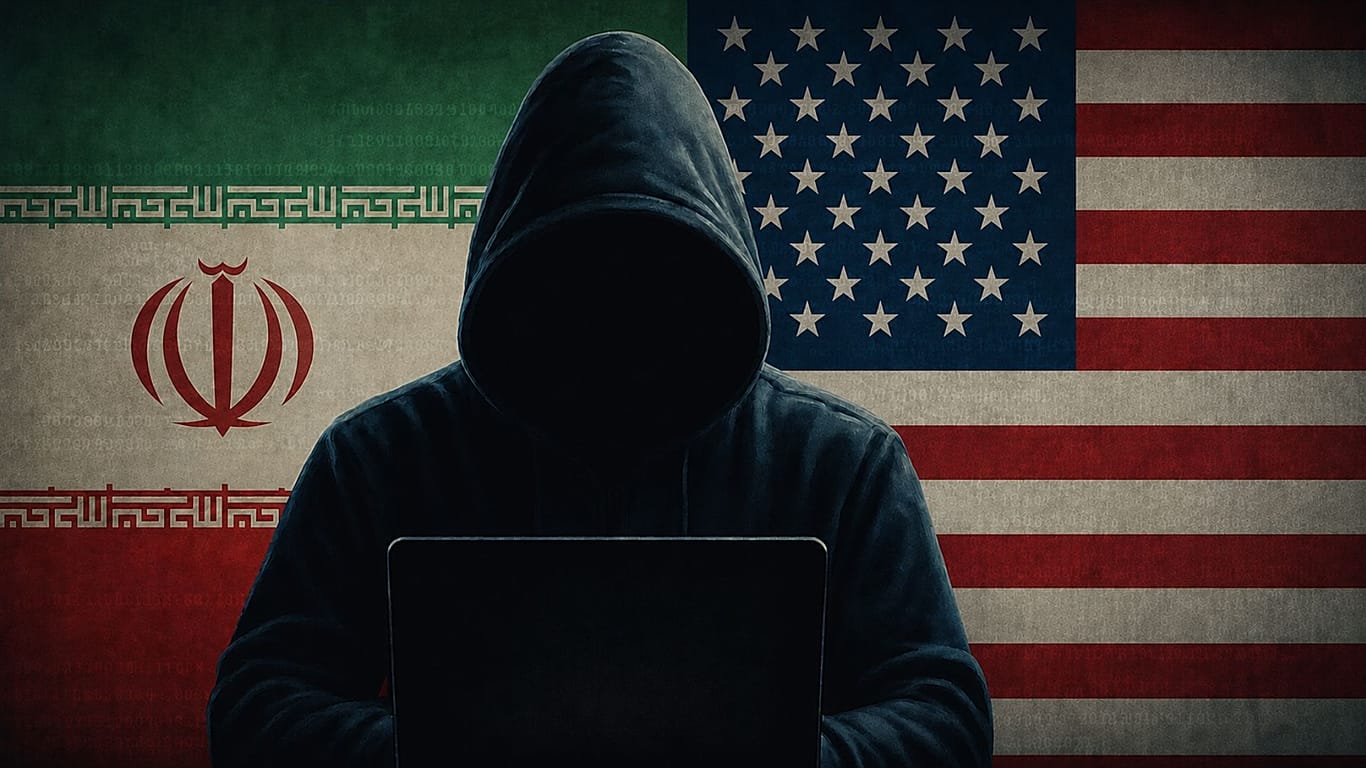
The US Department of Justice has issued an indictment against 17 members of the “Mabna Institute,” accusing them of conducting a widespread, coordinated cyber-intrusion campaign against hundreds of universities, private companies, and government organizations worldwide.
Kabul 24: Simultaneously, the US Department of State offered a reward of up to $10 million for information leading to the identification or location of five key members of this group.
According to details in the federal indictment, the institute’s illicit activities date back to at least 2013, spanning an extensive operational scope.
Documents reveal that the targets included 144 universities within the United States, 178 international universities, at least 42 US private companies, 11 foreign private firms, 5 US federal and state agencies, and at least two non-governmental organizations.
Investigations show that network members successfully stole over 31 terabytes of valuable academic data, research, and intellectual property from university systems.
Furthermore, by unlawfully compromising the email accounts of various private and public sector employees, the defendants gained access to sensitive and confidential information.
US judicial authorities emphasize that these 17 individuals conducted the majority of their operations on behalf of and at the request of the Islamic Revolutionary Guard Corps (IRGC), as well as other Iranian government and academic clients.
The legal indictment levels 14 serious charges against the defendants, including conspiracy to commit computer intrusions, conspiracy to commit wire fraud, computer fraud, and aggravated identity theft.
The State Department’s $10 million reward specifically targets information regarding five primary defendants: Behzad Mesri (alias “Skoot Vahshat”), Arman Kohzadian (alias “Skater”), Saber Shahbazi Balojah, Kiyavan Fayaz Gharablagh (aliases “Hurricane” and “Achilles”), and Mojtaba Ghalehkohi.
Washington identified these individuals as active Mabna Institute members linked to Iranian security and military bodies, including Unit 2000 of the IRGC Intelligence Organization, the Quds Force, the IRGC Cyber-Electronic Command, and the Ministry of Intelligence.