
Kabul, the capital of Afghanistan, is facing one of the most severe drinking water crises in recent years.
Kabul 24: The sharp decline in groundwater levels, rapid population growth, and the impacts of climate change have turned water scarcity into one of the most pressing challenges for residents of Kabul and several other provinces.
International organizations have also raised alarms about Afghanistan’s water resources. The United Nations Human Settlements Programme (UN-Habitat) describes Kabul as one of the cities experiencing the most intense water crises in the region.
Stefanie Louise, Head of the UN-Habitat program in Afghanistan, stated: “Kabul is facing a severe water shortage.
This crisis has affected millions of people and, for various reasons, has created serious challenges for the city and its inhabitants both now and in the future.
Rapid population growth has led to excessive use of water resources.”This shortage has made access to safe drinking water extremely difficult.
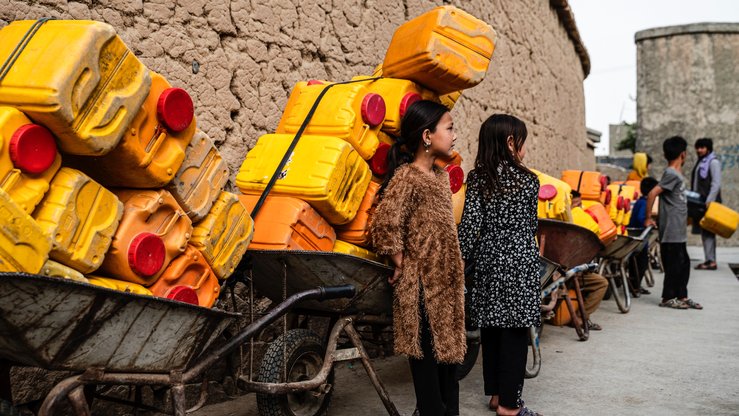
Many citizens are forced to wait for hours in long queues or purchase water at high prices from private vendors. In some peripheral areas of Kabul, residents rely on contaminated well water or surface sources, increasing the risk of waterborne diseases and threatening public health.
The state-owned Afghan Water Supply and Sewerage Corporation says efforts to ease the crisis are ongoing, with several major projects currently under implementation or study.
Two key initiatives — the water transfer project from the Panjshir River and the construction of the Shah Tut Dam — are expected to meet a significant portion of Kabul’s water needs.Shafiullah Zahedi, Head of Water Supply and Sewerage for the Kabul Zone, explained about the Panjshir project: “The survey and design work for the Panjshir project has been assigned to several departments, led by the Ministry of Energy and Water.
Work is progressing, and once completed or contracted, the water will be transferred to Kabul city.”Experts consider the transfer of water from the Panjshir River a crucial and strategic step toward resolving Kabul’s long-term water shortage.
However, successful implementation requires strong inter-agency coordination, sustainable financing, and careful attention to environmental concerns.
As population growth continues and rainfall patterns become more unpredictable due to climate change, the timely and effective execution of these projects is vital.
Without urgent and comprehensive action, the water crisis in Kabul could escalate into broader social, health, and economic crises, placing even greater pressure on the lives of its residents.