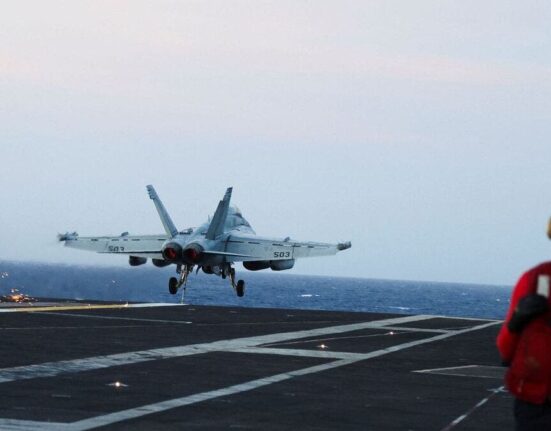

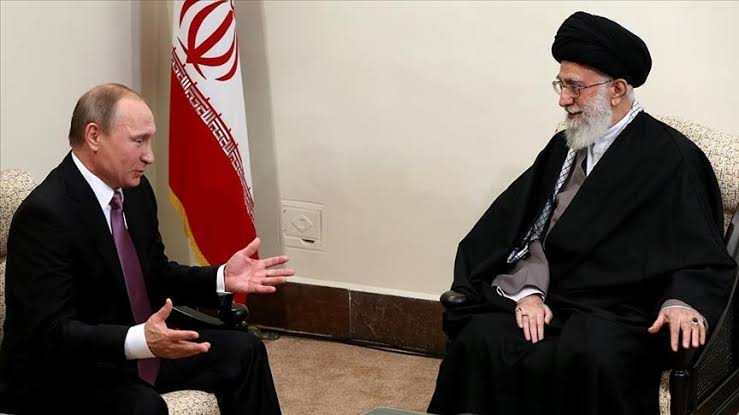
Following recent U.S. strikes on Iran’s nuclear facilities, Ayatollah Ali Khamenei, the Supreme Leader of the Islamic Republic of Iran, has dispatched Foreign Minister Abbas Araghchi to Moscow to request greater support from Russia amid escalating pressures from the United States and Israel.
Kabul 24: This decision comes as tensions between Tehran, Washington, and Tel Aviv have reached their peak, with Iran striving to mobilize its allies, including Russia, to bolster its position against these threats.
An informed source, speaking anonymously to Reuters, revealed that Araghchi is carrying a letter from Iran’s leader to Russian President Vladimir Putin. In the letter, Tehran has called for broader support from Moscow in political, military, and diplomatic domains.
According to the source, Iran is not fully satisfied with the current level of Russian cooperation and believes Moscow could play a more active role in supporting Tehran against hostile actions by the U.S. and Israel. However, specific details about the type of support Iran is seeking from Russia have not yet been disclosed.
The Kremlin has confirmed that Putin has met with Araghchi but has refrained from providing details about the topics discussed.
This meeting takes place as Russia has previously condemned Israel’s attacks on Iranian soil but has remained silent regarding the U.S. strikes on Iran’s nuclear facilities. Putin has repeatedly offered to mediate between Iran and the U.S. in the past, a proposal that has yet to receive serious consideration from either Tehran or Washington.
One of Ayatollah Khamenei’s requests from Russia may be the enhancement of Iran’s air defense systems. Given the recent U.S. attacks on Iran’s nuclear facilities and escalating tensions with Israel, strengthening air defense systems could be a strategic priority for Tehran to protect critical infrastructure and enhance deterrence capabilities.
As a major supplier of advanced weaponry, including air defense systems like the S-300 and potentially the S-400, Russia has a history of cooperation with Iran in this area.
Tehran may be seeking to upgrade these systems, acquire more advanced equipment, or receive additional training and technical support from Moscow to better withstand potential Israeli airstrikes.
These developments occur as Iran faces multiple challenges, including economic sanctions, regional tensions, and international pressures.
Araghchi’s dispatch to Moscow underscores Iran’s efforts to strengthen its strategic alliance with Russia, particularly at a time when Tehran feels increasingly isolated amid military attacks and Western diplomatic pressures.
Analysts believe this visit could have significant implications for the region’s geopolitical dynamics, especially if Moscow decides to increase its support for Iran.
The most likely key demands Iran may have from Russia in the current circumstances could include the following:
Given the current geopolitical context, Iran’s tensions with the U.S. and Israel, and the strategic relationship between Iran and Russia, Ayatollah Khamenei may have additional requests from Vladimir Putin beyond air defense enhancements. Below are several logical and plausible possibilities (without access to the precise content of the letter or negotiations):
Strengthening Air Defense Systems:
One of Ayatollah Khamenei’s requests from Russia may be the enhancement of Iran’s air defense systems. Given the recent U.S. attacks on Iran’s nuclear facilities and escalating tensions with Israel, strengthening air defense systems could be a strategic priority for Tehran to protect critical infrastructure and enhance deterrence capabilities.
As a major supplier of advanced weaponry, including air defense systems like the S-300 and potentially the S-400, Russia has a history of cooperation with Iran in this area.
Tehran may be seeking to upgrade these systems, acquire more advanced equipment, or receive additional training and technical support from Moscow to better withstand potential Israeli airstrikes.
Advanced Military Support:
Iran may seek to acquire more advanced offensive or defensive weaponry from Russia, such as high-precision ballistic missiles, advanced drones, or cyber warfare technologies, to strengthen its military capabilities against external threats. Recent military cooperation, such as Iran’s supply of drones to Russia, could pave the way for reciprocal equipment requests from Moscow.
Diplomatic Support in International Forums:
Tehran may urge Russia to provide stronger support in the UN Security Council or other international bodies, such as the International Atomic Energy Agency. This could include vetoing potential resolutions against Iran or reducing Western diplomatic pressures on Iran’s nuclear program.
Economic Cooperation and Sanctions Evasion:
Given heavy economic sanctions, Iran may ask Russia to enhance cooperation in bilateral trade, financial transactions independent of the dollar (e.g., through rubles or other currencies), or investments in the energy sector. This could involve completing projects like gas pipelines or aiding in the reconstruction of infrastructure damaged in recent attacks.
Mediation or Pressure on the West:
Although Putin has previously offered to mediate between Iran and the U.S., Iran may request Russia to take a more active role in indirect negotiations or exert pressure on the West to de-escalate tensions or return to the JCPOA, under terms favorable to Tehran.
Cooperation in the Middle East:
Iran may ask Moscow to counter Israel’s influence in the region, particularly in Syria or Lebanon. This could include support for the Axis of Resistance, strengthening joint military presence in Syria, or coordinating efforts to counter Israeli operations.
Military Technology and Intelligence:
Tehran may seek access to military or intelligence data from Russia, such as satellite imagery to monitor U.S. and Israeli military movements in the region, or technologies related to electronic warfare.
However, the success of Abbas Araghchi’s mission depends on various factors, including Russia’s national interests and the complexities of international relations.