

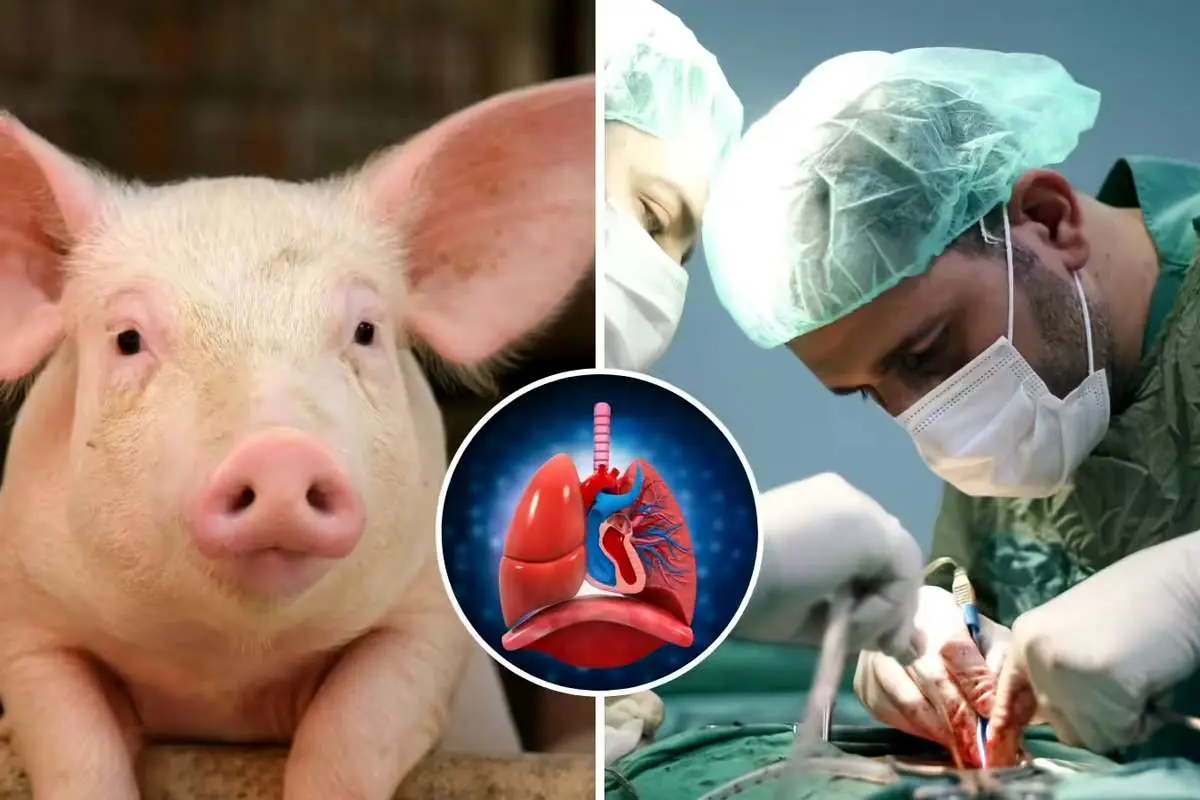
For the first time globally, a genetically modified pig lung was transplanted into a brain-dead human in China, remaining functional for nine days.
According to Kabul24, citing CNN, a recent report detailed the transplant of a genetically modified pig lung into a 39-year-old man who had suffered brain death due to a cerebral hemorrhage. The patient’s identity was not disclosed, but the procedure was performed with the consent of his family.
The findings were published on Monday in the Nature Medicine journal.Researchers from Guangzhou Medical University, who led the study, noted that the donor pig was raised in a highly controlled, sterile environment, and its lung underwent six genetic modifications to reduce the risk of rejection and infection.
The patient received multiple drugs to prevent infection and rejection.No immediate signs of rejection were observed, but within a day, fluid accumulation in the patient’s tissues caused widespread swelling, likely due to blood circulation issues.
Lungs play a role in both respiration and blood flow regulation. Some improvement was noted after a few days, but the patient’s body eventually began rejecting the lung, leading the family to request the termination of the experiment.
The researchers concluded that while the transplant demonstrates the feasibility of pig-to-human lung transplantation, significant challenges, such as rejection and infection risks, remain.
Further research is needed before this procedure can be tested in clinical trials.In recent years, pig heart and kidney transplants to humans have shown progress, but this marks the first pig lung transplant.
The global need for organ donation remains critical. According to CNN, in 2023, the U.S. transplant waiting list (103,000 people) was double the number of donors.
In 2024, over 48,000 transplants were performed, yet the U.S. Health Resources and Services Administration (HRSA) reports that 13 people die daily in the U.S. while awaiting an organ.