
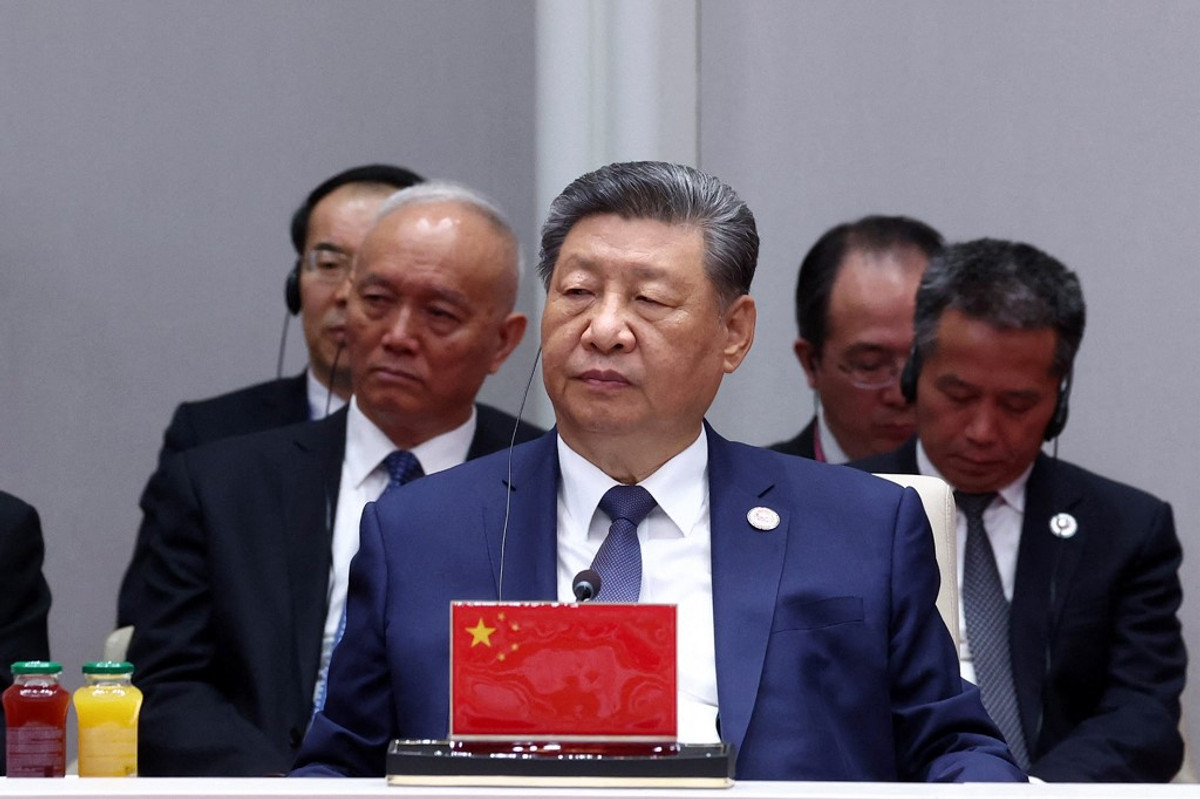
Speaking at the 26th Council of Heads of State of the Shanghai Cooperation Organisation (SCO) in Bishkek, the capital of Kyrgyzstan, Chinese President Xi Jinping declared Beijing’s readiness to bolster diplomatic efforts aimed at resolving crises and conflicts in Afghanistan, Ukraine, and the Middle East.
Kabul 24: Reaffirming the importance of pursuing political settlements, he called for enhanced communication and coordination between Beijing and all parties involved to systematically address the root causes of these international challenges. However, Xi provided no specific details or new initiatives regarding Beijing’s proposed path to achieving these objectives.
A major portion of the Chinese president’s address focused on elevating the SCO’s global status as the organization marks its 25th anniversary. Pointing to escalating global tensions and what he termed the persistent “shadow of war,” Xi stressed that the SCO must embrace its historic responsibility and take the lead in charting the future course for humanity. He urged member states to prioritize economic development and promote dialogue and comprehensive cooperation over confrontation.
On the security front, Xi emphasized the urgent need for tight coordination to combat terrorism, separatism, extremism, organized crime, and drug trafficking, while endorsing stronger multilateral cooperation in nuclear security. He also underscored the principle of absolute equality among nations—regardless of size or power—noting that the resolution of regional disputes is achievable solely through consultation and consensus-building among all stakeholders.
Additionally, China unveiled targeted plans to expand partnership across technology, energy, and green industries. According to Xi, Beijing intends to establish an international cooperation center for artificial intelligence applications and implement 100 joint technology projects with SCO member states over the next three years.
Comprising nations such as China, Russia, India, Pakistan, and Iran, the SCO has increasingly consolidated its role as a key platform for transregional cooperation operating independently of West-led institutions.