
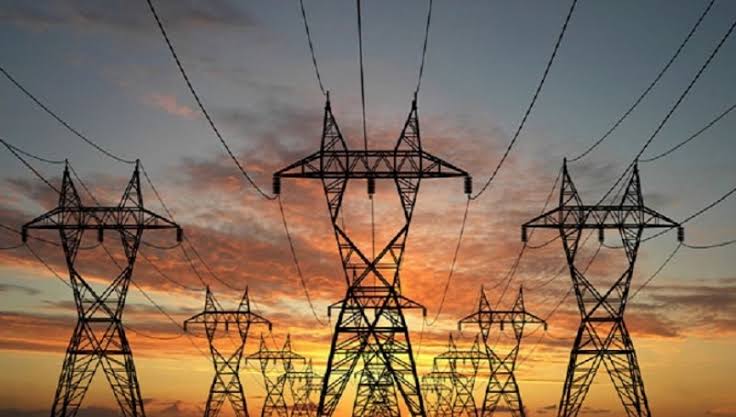
Kam Group, a private company, has signed a $2 billion contract with Breshna Company to produce 2,000 megawatts of electricity in Afghanistan.
Kabul 24: According to officials, the project, spanning three to seven years, will utilize diverse sources such as water, gas, wind, and geothermal energy to generate power.
Mohammad Gul Khulmi, head of Kam Energy, stated: “We have started practical work, and our partners from the Netherlands and Denmark are in Kabul.
The survey for our first 30-megawatt solar project in northern Afghanistan, aimed at Mazar-i-Sharif’s industrial parks, will begin soon.” He highlighted that, given Afghanistan’s vast wind energy potential, 1,000 megawatts will be generated from wind power.
Khulmi noted that banking restrictions and the lack of standardized electricity distribution networks pose significant challenges. However, Kam Group plans to address these by developing power grids and substations during the project’s implementation.
He added: “One major issue with wind energy, where Afghanistan has a 67,000-megawatt capacity, is transporting turbine blades. Even the smallest commercial turbines, producing 2.5 to 3 megawatts, require blades up to 50 meters long.
For the first time, we aim to establish a factory in Afghanistan to manufacture turbine blades, resolving international transport challenges.”Additionally, Kam Group is pioneering a 100-megawatt geothermal energy project in Kabul, a first for Afghanistan.
This initiative requires drilling wells up to 3,000 meters deep and will provide electricity and heating for homes.
Meanwhile, the contract for the Tuti-Maidan gas field in Andkhoy, previously signed with Ariel-Kam Energy, has been finalized between Ariel-Kam Energy and the Ministry of Mines. Physical work on this block will commence soon.
The Tuti-Maidan gas field, recognized as Afghanistan’s largest, marks a turning point for the country’s energy development and economic growth.
This ambitious project signals a transformative step toward energy self-sufficiency, addressing Afghanistan’s chronic power shortages while fostering industrial and economic progress.