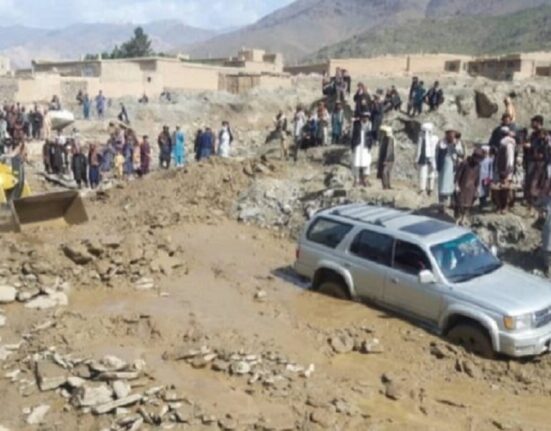

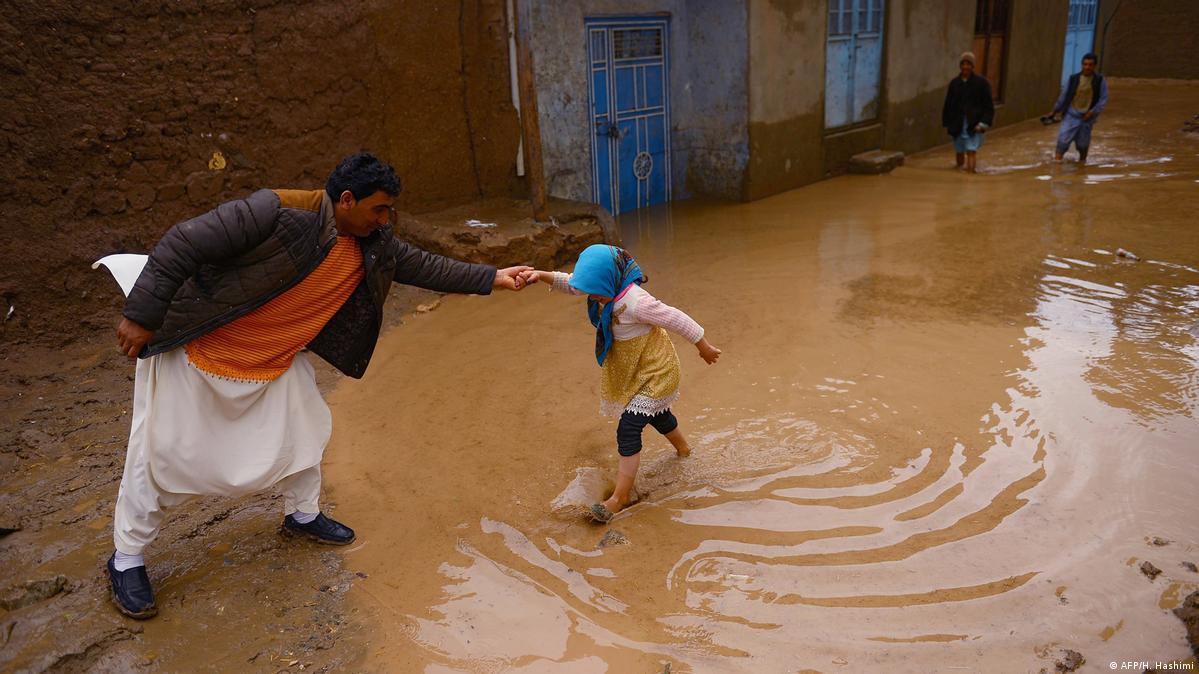
Afghanistan’s National Disaster Management Authority has reported that 28 people lost their lives and 10 others were injured due to severe flash floods that struck 17 provinces in the past 48 hours.
Kabul 24: According to the latest official figures, since the beginning of the solar year (Hamal 6, 1404), a total of 285 people have died and 354 others have been wounded as a result of various natural disasters, mainly floods.
The recent floods have also caused extensive destruction, damaging or completely destroying nearly 9,000 homes and inflicting heavy financial losses on affected families.
Mohammad Yusuf Hamad, spokesperson for the National Disaster Management Authority, said that Mullah Nooruddin Turabi, head of the authority, has instructed all provincial departments to mobilize all available resources and provide urgent assistance to affected families as quickly as possible.
Meanwhile, the Meteorology Department of the Ministry of Transport and Civil Aviation has issued a fresh warning about continued rainfall and the high risk of new floods in the coming days.
Mohammad Naseem Moradi, head of the department, stated: “Based on weather forecast models, scattered rainfall is expected today and tomorrow in parts of northern, northeastern, and central Afghanistan, with precipitation ranging between 10 to 30 millimeters in different areas.”Local officials in Baghlan province reported that floods have damaged fiber optic lines, causing widespread disruption to telecommunication services in the region.
Residents in the affected provinces described the situation as devastating, saying the floods have destroyed their homes, farmlands, and livelihoods, leaving many families without shelter, food, or basic necessities.
Shortages of emergency supplies and inadequate infrastructure have worsened the humanitarian impact.Experts warn that weak infrastructure and ongoing climate change effects are making Afghanistan increasingly vulnerable to such natural disasters.
They emphasize the urgent need for better coordination between government agencies, international humanitarian organizations, and local communities to improve disaster preparedness and response.
The Disaster Management Authority has urged citizens to avoid unnecessary travel to mountainous areas and riverbeds and to move to higher ground immediately if they notice signs of flooding.
These tragic events come as Afghanistan continues to grapple with the dual challenges of political instability and increasing frequency of extreme weather events linked to climate change, which have overwhelmed the country’s limited disaster response capacity.