
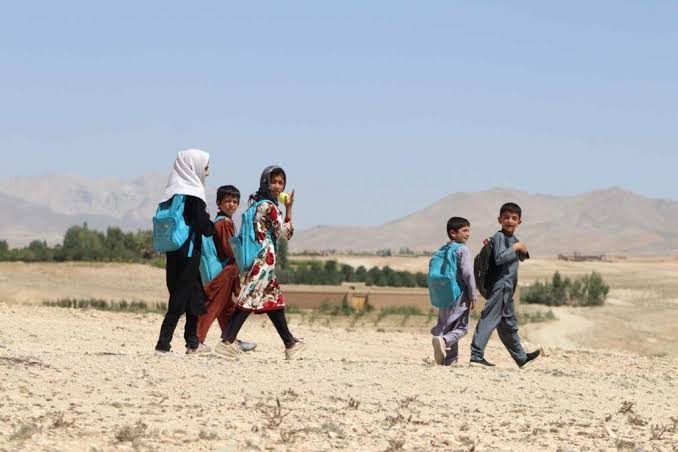
The Ministry of Education in Afghanistan has announced a five-day closure of schools and madrassas in the country’s cold-climate provinces due to an unprecedented rise in temperatures. This measure aims to safeguard the health of students and educational staff amid extreme heat conditions.
Kabul 24: In a press release issued on Sunday, June 29, 2025, the Ministry of Education stated that schools and madrassas in cold-climate provinces will remain closed from Wednesday, July 2, to Sunday, July 6, 2025. The decision follows weather reports indicating unusually high temperatures in these regions, which are typically known for cooler climates.
The extreme heat has posed challenges, including inadequate cooling facilities in educational institutions and potential health risks for students.
The press release further noted that the mid-term examinations for all schools and madrassas are scheduled to begin on Monday, July 7, 2025, and will continue until the end of July.
These exams, a critical component of the academic evaluation process, will proceed as planned to ensure minimal disruption to the educational calendar. Following the conclusion of the exams, summer vacations will commence in early August and extend until August 2, 2025, providing students with a well-deserved break and an opportunity to prepare for the remainder of the academic year.
The Ministry of Education has instructed school and madrassa administrators to promptly inform parents and guardians to ensure smooth implementation of the closure.
This decision reflects the ministry’s commitment to addressing climate-related challenges and their impact on education. The temporary closure is expected to protect students’ well-being while facilitating better planning for similar situations in the future. The ministry also urged parents and students to adhere to safety precautions during this period, such as avoiding prolonged exposure to intense sunlight.
This response comes as climate change and global warming increasingly affect various regions of Afghanistan, highlighting the need for adaptive measures across sectors, including education. The Ministry of Education’s proactive approach underscores its dedication to ensuring a safe and conducive learning environment for all students