

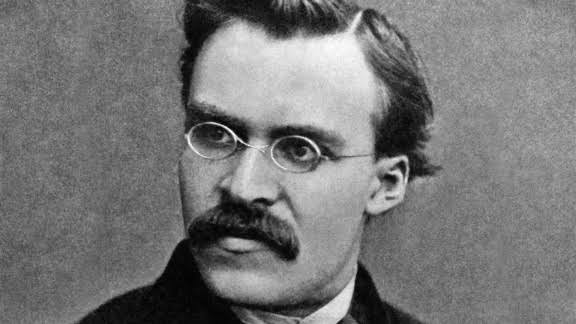
Alain Badiou, in his book This Century, called the twentieth century the “Nietzschean century,” indebted to his thought.
Kabul 24: Last night, I finished reading Modern French Philosophy by Robert Wicks.Kabul 24: Wicks, in this book, argues that French philosophical thought in the twentieth century—which profoundly influenced the global intellectual landscape—owes much to Nietzsche, who placed human freedom and self-determination at the heart of his thinking.
In the final chapter, Wicks writes:”The roots of a wide range of fundamental themes in French philosophy can be traced back to Nietzsche’s ideas.
This philosophy is largely characterized by an effort to break free from oppressive forces and to pursue the realization of an ideal discursive condition—one where participation is free, questioning the sources of power is permitted, and silencing through intimidation is prohibited.
The Dadaists in this century sought liberation from science, rationality, and the mechanical style of thinking that they believed paved the way for World War I.
The Surrealists, too, demanded freedom from that same rigid rationality and from outdated, repetitive methods of artistic creation.
Jean-Paul Sartre pursued freedom from rigid, essentialist, inflexible, and fixed conceptions of the ‘self’ and the ‘world.’ Roland Barthes, during the structuralist period, sought liberation from those same essentialist notions, which he called superficial ‘myths’ or misleading clichés, and in the post-structuralist period, he sought freedom from the dictatorship of the author and, ultimately, from language itself, which he deemed ‘fascistic.’Derrida sought freedom from any system claiming absolute comprehensiveness and interpretive certainty. Irigaray demanded liberation from masculine, gendered, and intimidating language.
Lyotard sought freedom from the dominance of a model of knowledge defined solely by its calculability.Foucault sought liberation from social clichés and oppressive political regimes.
Finally, Deleuze and Guattari pursued freedom from highly organized, fascistic social structures that attempt to engineer even the most private domains of our lives and restrict our freedom.”And in memory of Foucault, who was also born on this day.
Jamshid Mehrpour