
The Islamic Emirate has rejected a recent Human Rights Watch (HRW) report highlighting violations of women’s rights and the deprivation of girls’ access to education in Afghanistan.
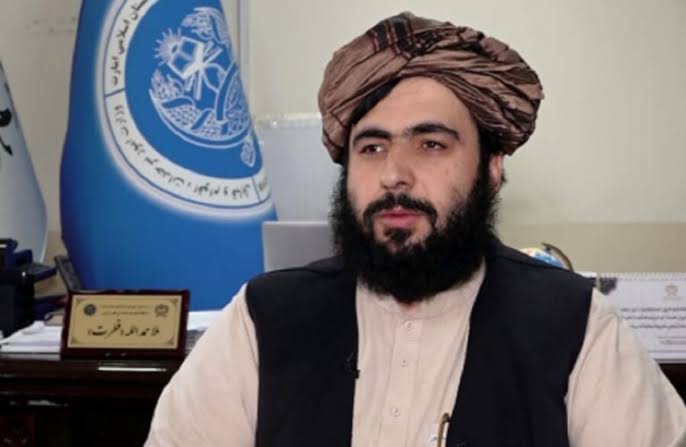
Kabul 24: Hamidullah Fitrat, deputy spokesperson for the Islamic Emirate, stated that the rights of all Afghan citizens are secured, and the issue of women’s education is an internal matter. He remarked, “In Afghanistan, no one’s rights are violated, and everyone’s rights are ensured.
The definition of rights varies across societies. As we live in an Islamic society, we define rights within the framework of Islamic Sharia and consider ensuring these rights a religious duty.”
The HRW report expressed deep concern over widespread human rights violations, particularly against women, including restrictions on girls’ access to education, such as bans on schooling beyond the sixth grade and the closure of universities to women.
The organization criticized the international community for failing to take concrete action over the past four years to address these serious violations.
HRW urged UN member states to establish a comprehensive mechanism to ensure accountability for the situation in Afghanistan, particularly during upcoming meetings of the UN Human Rights Council.
Elaine Pearson, Asia Director at HRW, stated, “Regarding accountability, we have called on UN Human Rights Council member states to establish a new independent investigative mechanism to collect and preserve evidence for future judicial proceedings.”Meanwhile, women’s rights activists in Afghanistan have urged the Islamic Emirate to recognize women’s legitimate demands, including the right to education, study, and work.
They argue that denying women these rights not only violates human principles but also hinders societal progress. The activists called for constructive dialogue to address these restrictions.
This clash of perspectives underscores the deep divide between the Islamic Emirate’s policies and international human rights standards.
While the Emirate emphasizes its Sharia-based framework, global organizations and activists advocate for adherence to universal human rights principles, highlighting the urgent need for practical and sustainable solutions to improve women’s conditions in Afghanistan.